
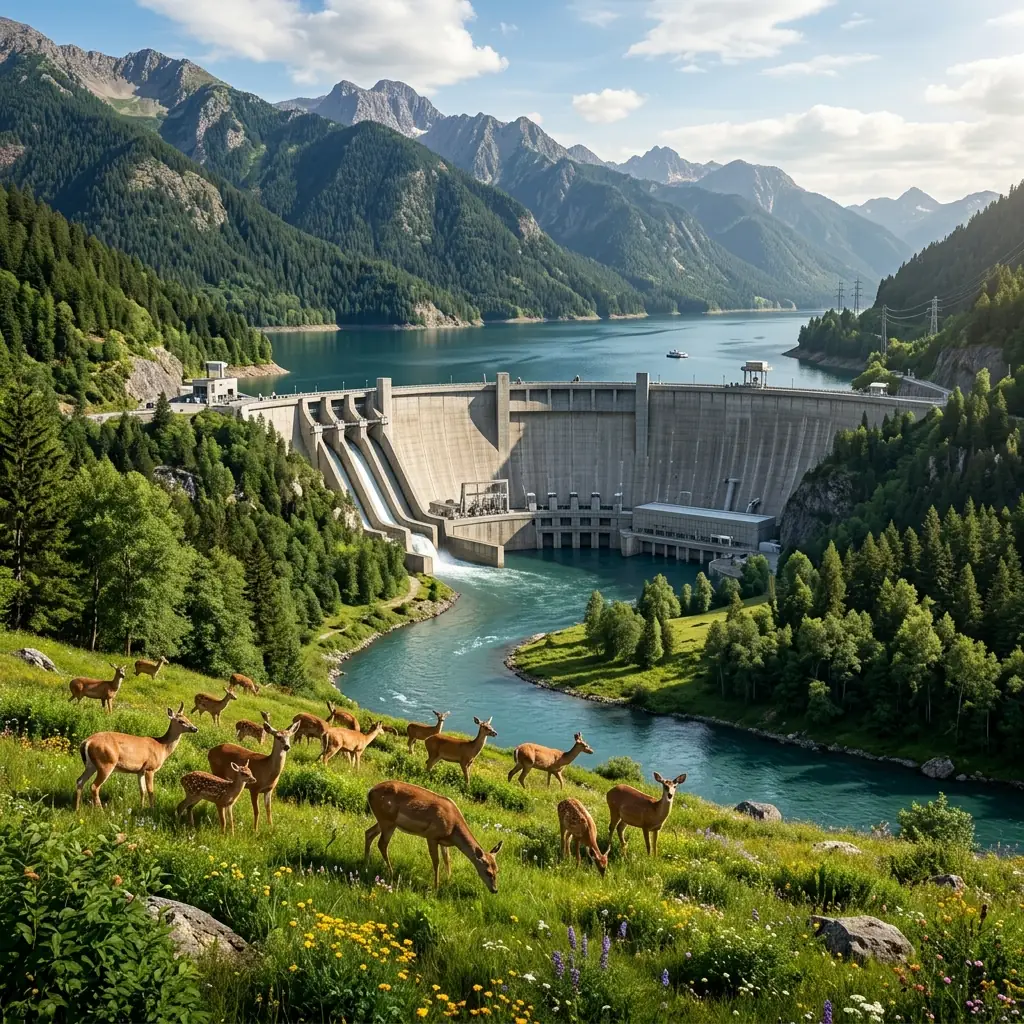
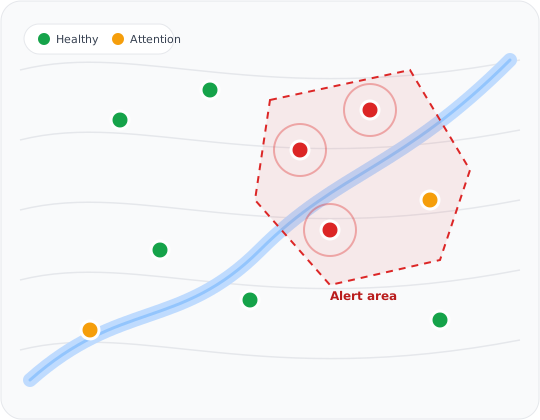
A network of sites, not a single sensor
Each device sits where it sees the most useful thing. This is an illustrative layout; every deployment is designed around the real site.
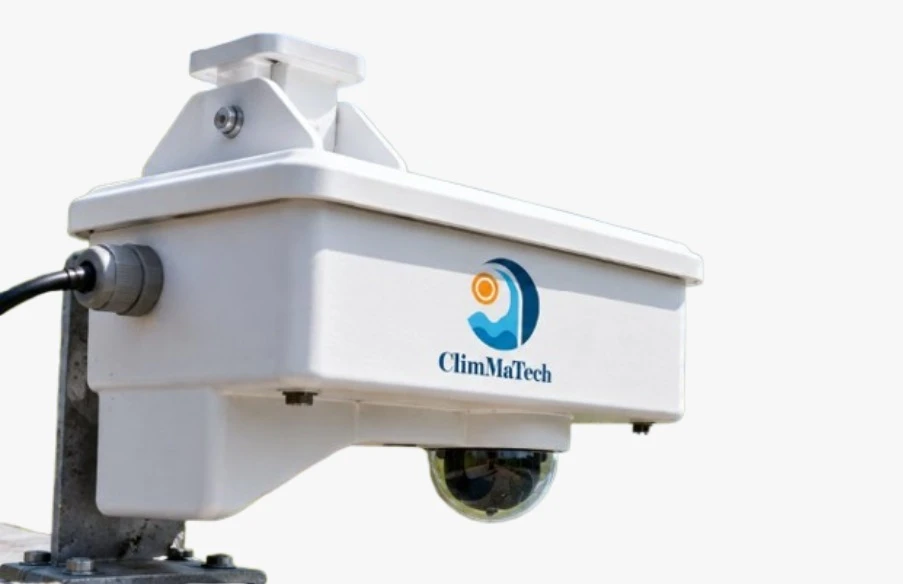
- 1Reservoir bankDoordrishti
Watches the reservoir edge with radar and a camera, and flags sudden changes on the device.
Why here: Sees conditions at the shore without anyone on site, and keeps working if the network drops.
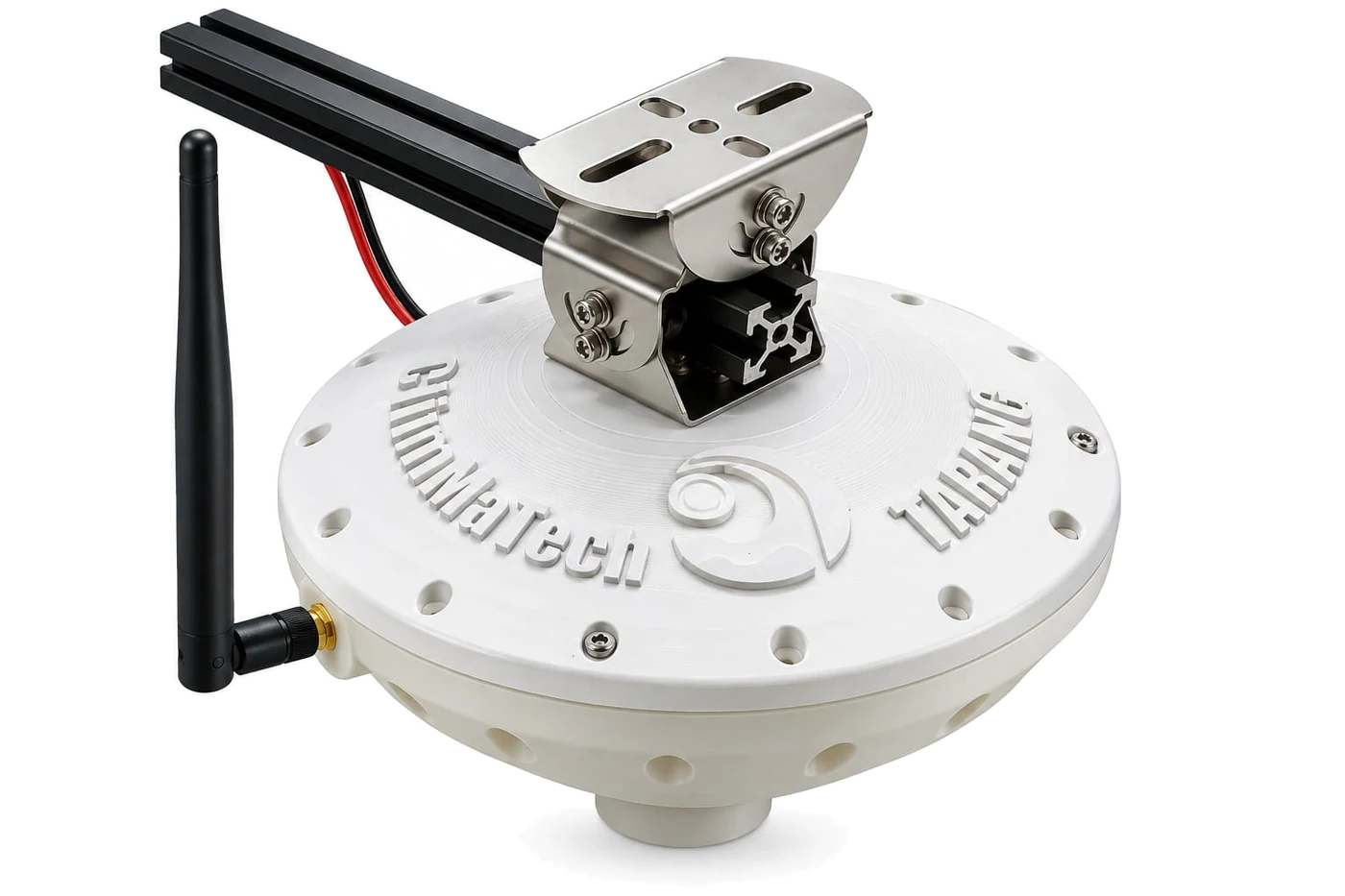
- 2Dam crestTarang
Measures the reservoir water level from the dam structure.
Why here: Millimetre-level readings show exactly how full the reservoir is.
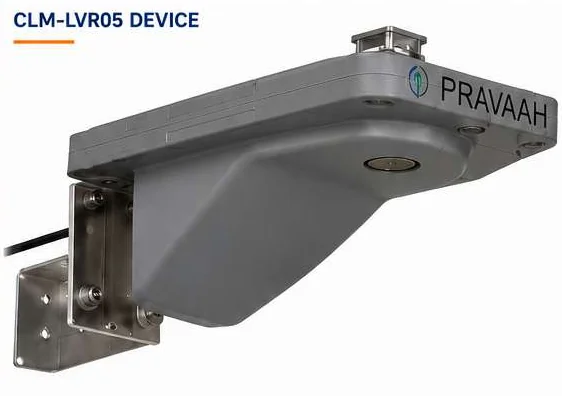
- 3Spillway gatesPravaah
Measures water level and flow speed at the spillway.
Why here: Shows how much water is leaving, and how fast, so releases can be planned.
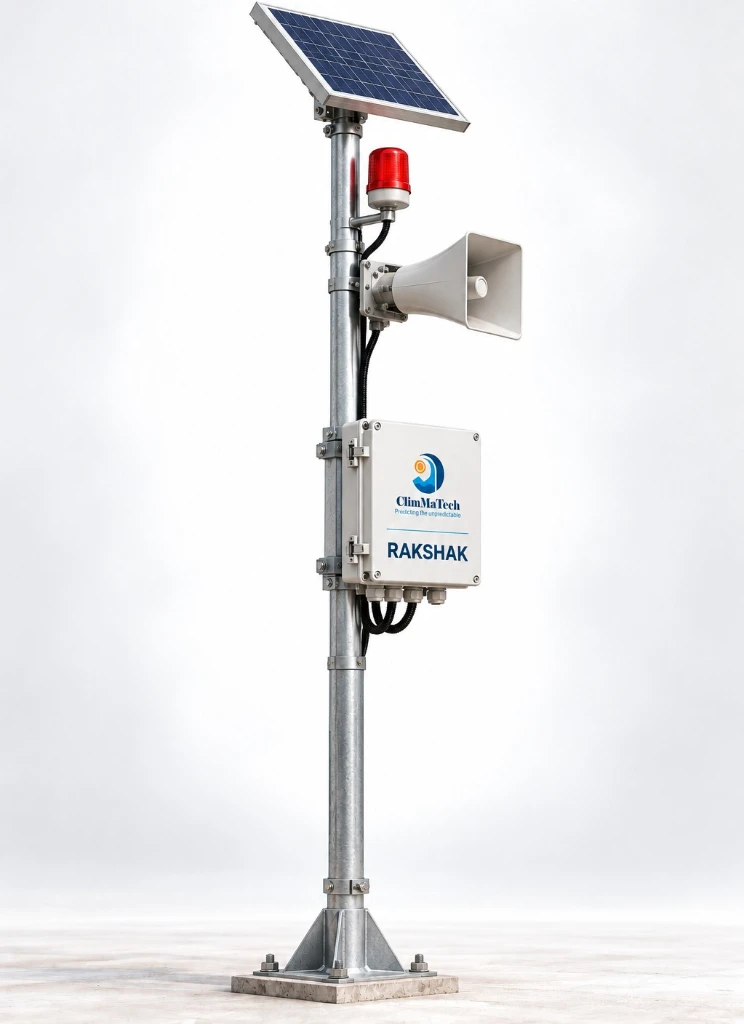
- 4Downstream communityRakshak
Sounds the siren for people living below the dam.
Why here: Gives downstream villages a physical warning during releases and emergencies.
From observation to action
Observe
Sensors at the reservoir, the dam crest and the spillway report level and flow.
Decide
The level behind the dam and the flow at the gates show how a release will change conditions downstream, so operators can plan it.
Act
Downstream communities are warned, and the control room triggers, approves and tracks the alerts.
Each part covers what the others cannot
Inside and outside the dam
Level at the crest and flow at the spillway describe the reservoir and its release together.
A warning that reaches the valley
Rakshak sirens carry a release or emergency alert to the people below.
One control room view
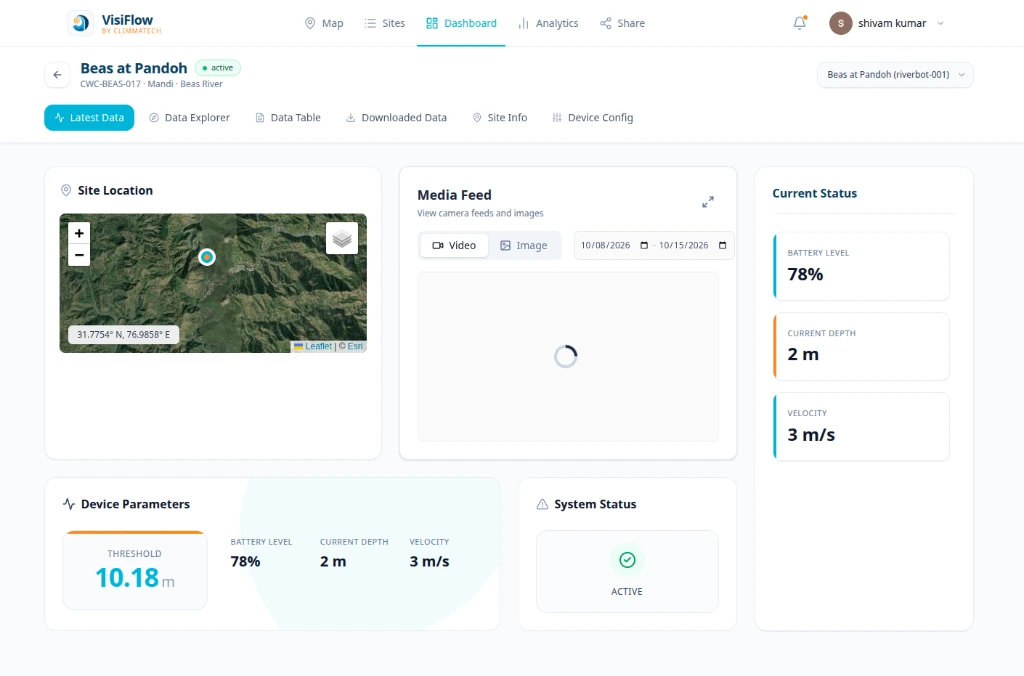
DeviceCloud shows every sensor, and the Rakshak Control Centre runs the sirens and approves live alerts.
A release affects everyone below the dam
An uncontrolled or poorly timed release can flood the valley below, and operators often work with limited visibility of what is arriving and what is leaving. Communities downstream need warning before it reaches them.
A live picture of what goes in and what comes out
Water level at the dam crest and flow at the spillway gates, with Doordrishti watching the reservoir bank, give operators a live picture of the reservoir and its release. They can plan releases with that picture, and warn communities downstream when needed.
Explore the platformBuilt from these components
Place Doordrishti on the reservoir bank, Tarang at the dam crest and Pravaah at the spillway gates, with Rakshak sirens in the communities below.
A path you can follow step by step
Instrument the reservoir and spillway
Level at the crest, flow at the spillway gates and a Doordrishti on the bank.
Warn downstream
Add Rakshak sirens in the communities below the dam.
Operate from the control room
Bring in DeviceCloud for monitoring and the Control Centre to run the sirens.
Frequently asked questions
How does a dam monitoring system measure reservoir level?
Radar level sensors are mounted above the water and measure the level without touching it, to ± 1 mm over a 0 to 50 m range (customisable).
Can it warn the community downstream?
Yes. Level readings can trigger Rakshak sirens downstream through an open API, so a warning does not depend on someone making a call.
How much does a dam and reservoir monitoring system cost?
Our systems are designed to be low cost. The price depends on how many sites you monitor and which devices you choose, so we prepare a proposal for each project. Tell us about your site and we will suggest a layout and a quote.
Does it keep working through floods and storms?
Radar sensors measure from above the water, so floods and debris do not reach the sensing elements. Devices run on solar power with battery backup, in a weatherproof enclosure, over an operating range of -40°C to +70°C.