

A network of sites, not a single sensor
Each device sits where it sees the most useful thing. This is an illustrative layout; every deployment is designed around the real site.
- 1UnderpassTarang
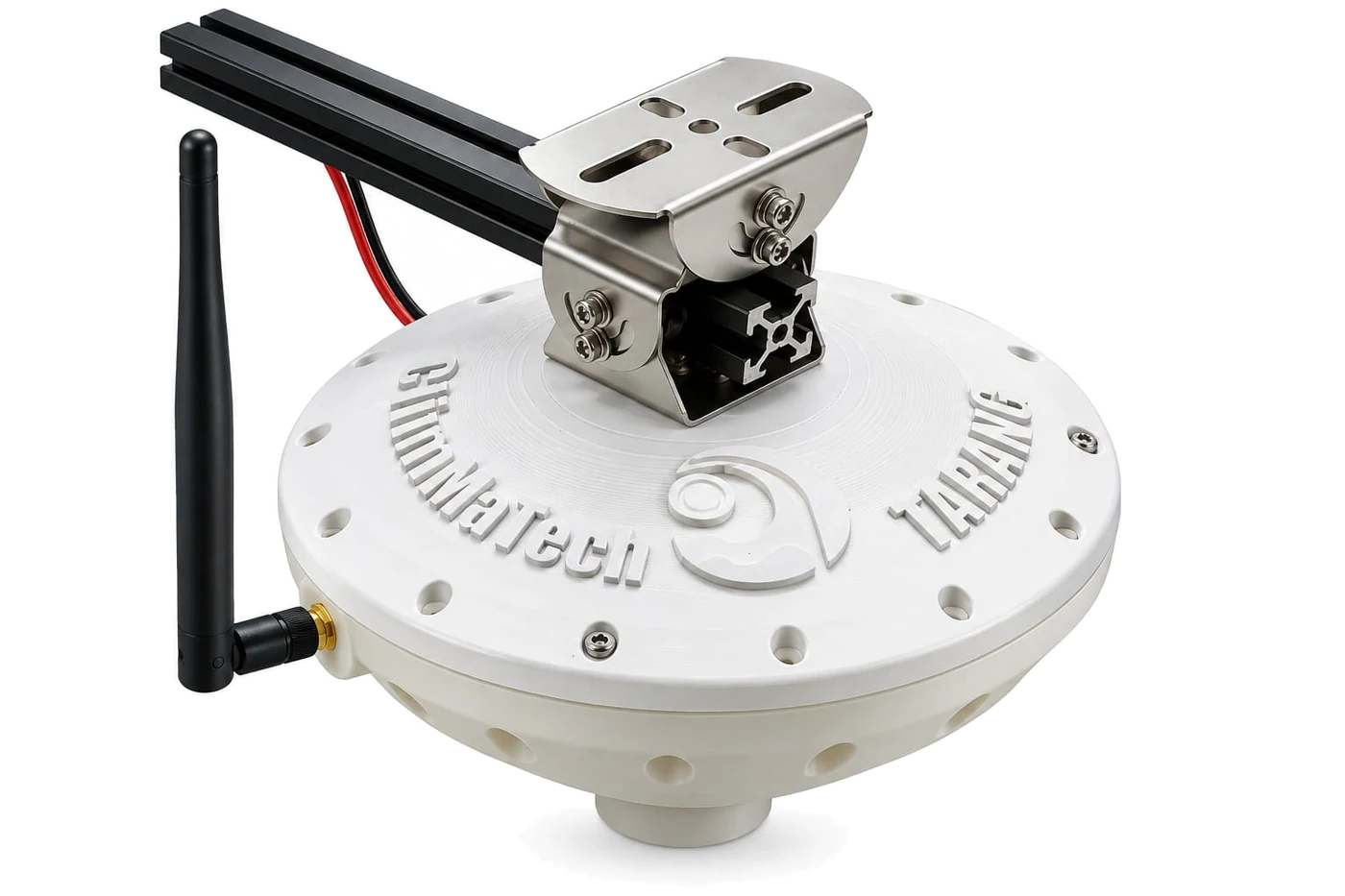
Measures the water level at a low point in the road.
Why here: A compact sensor that can sit at an underpass and show how fast it is filling.
- 2Main drainTarang
Measures the level in a main drain.
Why here: Shows when drains are running full, before water reaches the street.
- 3Canal outfallTarang
Measures the level where the drains meet the canal.
Why here: Shows when the outflow is backing up.
- 4Low-lying junctionRakshak
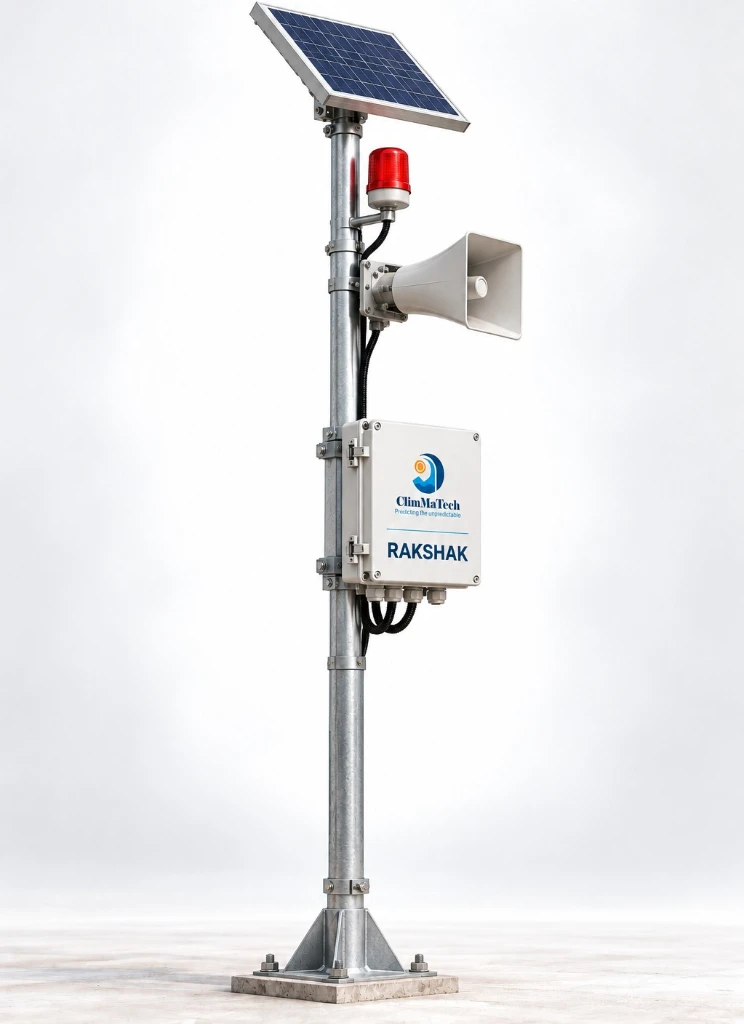
Sounds a local alarm.
Why here: Warns people at the spot where water is rising.
- 5
From observation to action
Observe
Many small sensors at underpasses, drains and outfalls report the water level across the city.
Decide
With readings from many points, the command centre sees which area is filling first and how fast.
Act
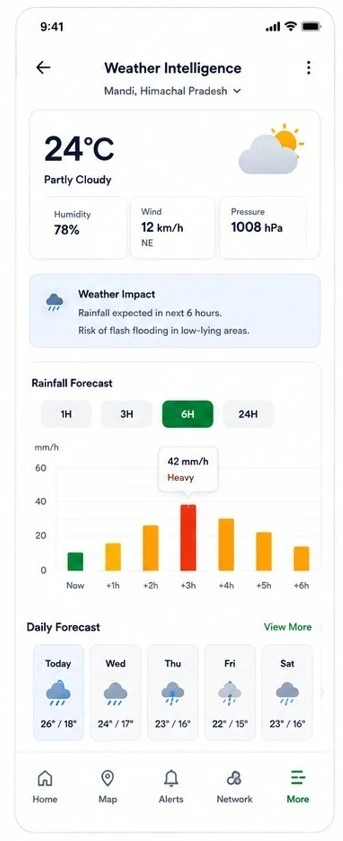
Local sirens warn people at the spot, residents get alerts on their phones, and the city command centre sees it all in one place.
Each part covers what the others cannot
Many points, low cost
Compact Tarang sensors can cover dozens of low points, so you see which one floods first.
A warning where it matters
Sirens at the junctions and wards that flood warn people on the spot.
One view for the city
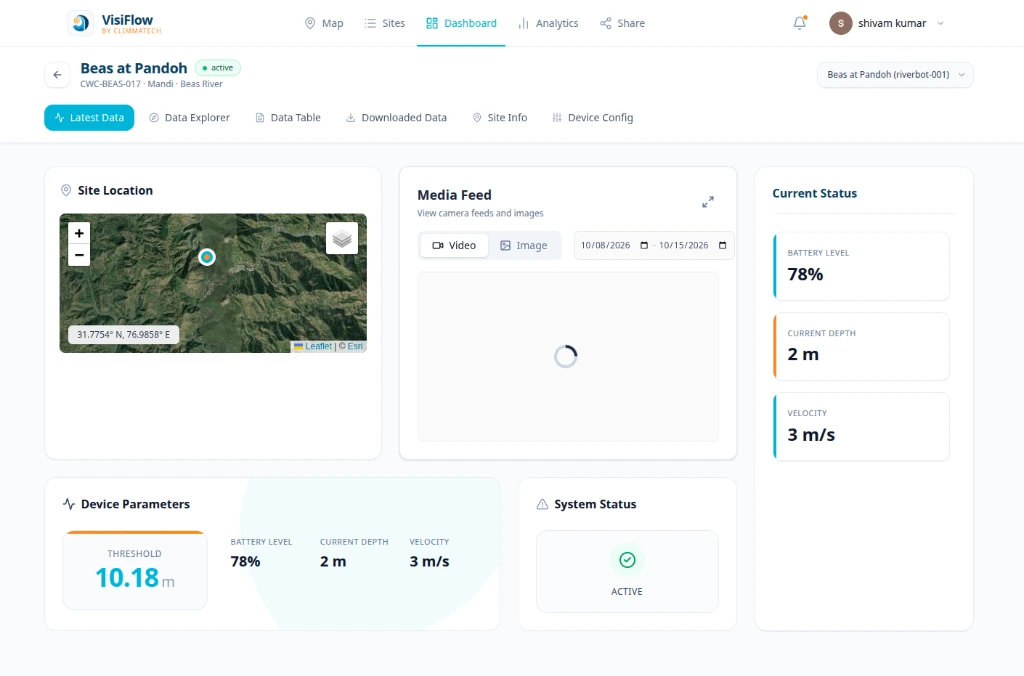
DeviceCloud gathers every reading for the command centre, and Aagah reaches residents on their phones.
Cities flood at many small points at once
Waterlogging stops traffic, damages vehicles and shops, and puts people at risk in flooded underpasses and drains. Because it happens at many small low points, a city needs eyes on all of them, not on one river gauge.
Eyes on every low point
Compact radar level sensors at underpasses, drains and outfalls report water levels in real time. When levels rise, sirens warn people at the spot, residents can be alerted on their phones, and the city command centre sees which area is filling first.
Explore the platformBuilt from these components
Install Tarang level sensors at the critical underpasses, drains and outfalls, add Rakshak sirens at the junctions that flood, and bring the readings together in DeviceCloud for the command centre.
A path you can follow step by step
Start with the worst underpasses
A Tarang sensor at each known trouble spot.
Cover the drains
Extend to the main drains and outfalls for a wider picture.
Warn and coordinate
Add sirens at the junctions that flood, DeviceCloud for the command centre and Aagah for residents.
Frequently asked questions
What is an urban flood monitoring system?
Radar level sensors at underpasses, drains and outfalls report water levels in real time, so a city can see which low point is filling first and warn people there.
Can it monitor waterlogging at underpasses?
Yes. A Tarang level sensor mounted above the lowest point measures the water level without touching the water, and a local siren or alert can warn people at the spot.
How much does an urban flood monitoring system cost?
Our systems are designed to be low cost. The price depends on how many sites you monitor and which devices you choose, so we prepare a proposal for each project. Tell us about your site and we will suggest a layout and a quote.
Does it need a power connection?
No. The devices are low power and solar compatible, so they can be installed where there is no mains supply.
How do city teams see all the sites?
DeviceCloud shows every sensor on a map with live readings and alerts.